Cha Lo Border Gate Economic Zone - Quang Tri
- Investor: Management Board of Economic Zones of Quang Tri Province
- Price: 30 USD/m2
- Area: 53.923 Ha
QUANG TRI, VIETNAM 2026
Vietnam’s Emerging Cross-Border, Energy, Logistics & Heritage Gateway
TTTFIC GLOBAL INVESTMENT PROFILE 2026
The investment geography of Quang Tri has fundamentally changed.
Following Vietnam’s 2025 administrative restructuring, the former provinces of Quang Binh and Quang Tri were consolidated into a new, significantly larger Quang Tri Province.
The result is not simply a larger administrative territory.
The consolidation has created a new investment platform linking:
Few provinces in Central Vietnam combine all of these functions within one jurisdiction.
North–South Corridor + Laos Border Gate Network + East–West Economic Corridor + Seaports + Energy & Industrial Platforms + World Heritage Tourism + Strategic Central Vietnam Position
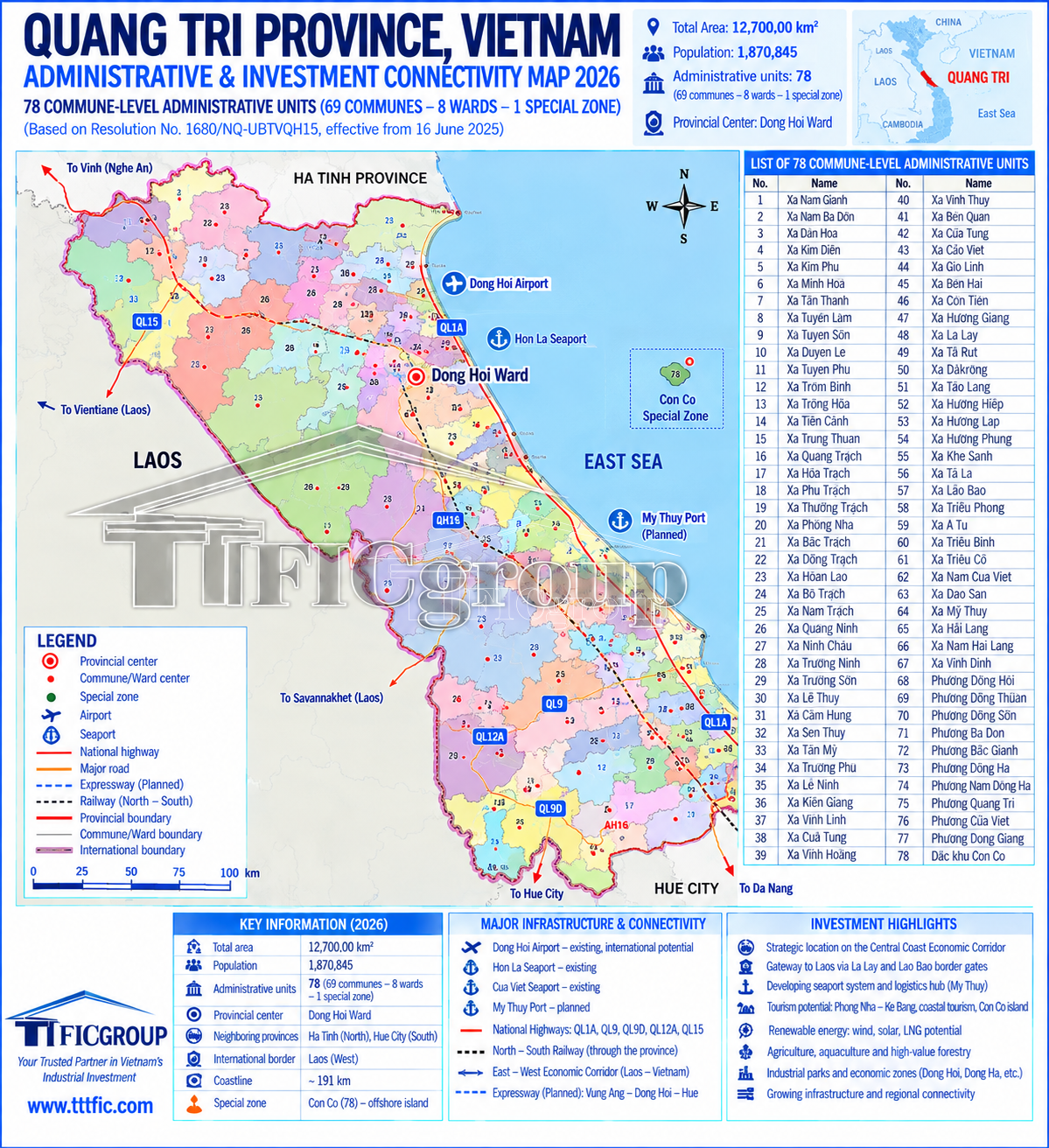
Quang Tri is emerging as one of Central Vietnam’s most geographically diversified investment territories.
The new province occupies approximately:
with an official population at the time of provincial consolidation of:
The province borders:
Ha Tinh Province to the north;
Hue City to the south;
Laos to the west;
and the East Sea to the east.
The administrative consolidation combines the economic assets of former Quang Binh and former Quang Tri into a single investment jurisdiction.
This produces an unusually complete east–west investment geography.
From the Lao border, investment and freight corridors extend eastward toward coastal economic zones, power centers and seaports.
From north to south, the province is integrated into Vietnam’s principal national transport spine.
At the same time, Quang Tri possesses one of Vietnam’s most valuable tourism assets: the Phong Nha–Ke Bang World Heritage landscape, together with the extraordinary historical heritage of the former Demilitarized Zone and the Quang Tri battlefield system.
For TTTFIC, the post-merger investment proposition can therefore be summarized as:
while a second value chain develops in parallel:
That combination makes the new Quang Tri fundamentally different from either of its predecessor provinces.
In 2025, Vietnam consolidated the entire territory and population of Quang Binh Province and Quang Tri Province into a new province retaining the name:
QUANG TRI PROVINCE
The new province has:
Natural area: 12,700 km²
Population: 1,870,845
Following commune-level restructuring, Quang Tri has:
comprising:
69 communes
8 wards
1 special zone — Con Co
The new administrative structure includes both the former Quang Binh and former Quang Tri territories.
The merger is strategically more important than the simple addition of population and land.
Former Quang Binh contributed:
Phong Nha–Ke Bang
Hon La Economic Zone and port system
Quang Trach power and industrial development
Cha Lo International Border Gate
a substantial northern coastal and logistics corridor
while former Quang Tri contributed:
Lao Bao International Border Gate
Lao Bao Special Economic–Commercial Zone
Southeast Quang Tri Economic Zone
My Thuy Port
a major renewable-energy platform
East–West Economic Corridor connectivity
Quang Tri’s internationally recognized war and peace heritage
The combined province therefore gains strategic optionality that neither predecessor possessed independently.
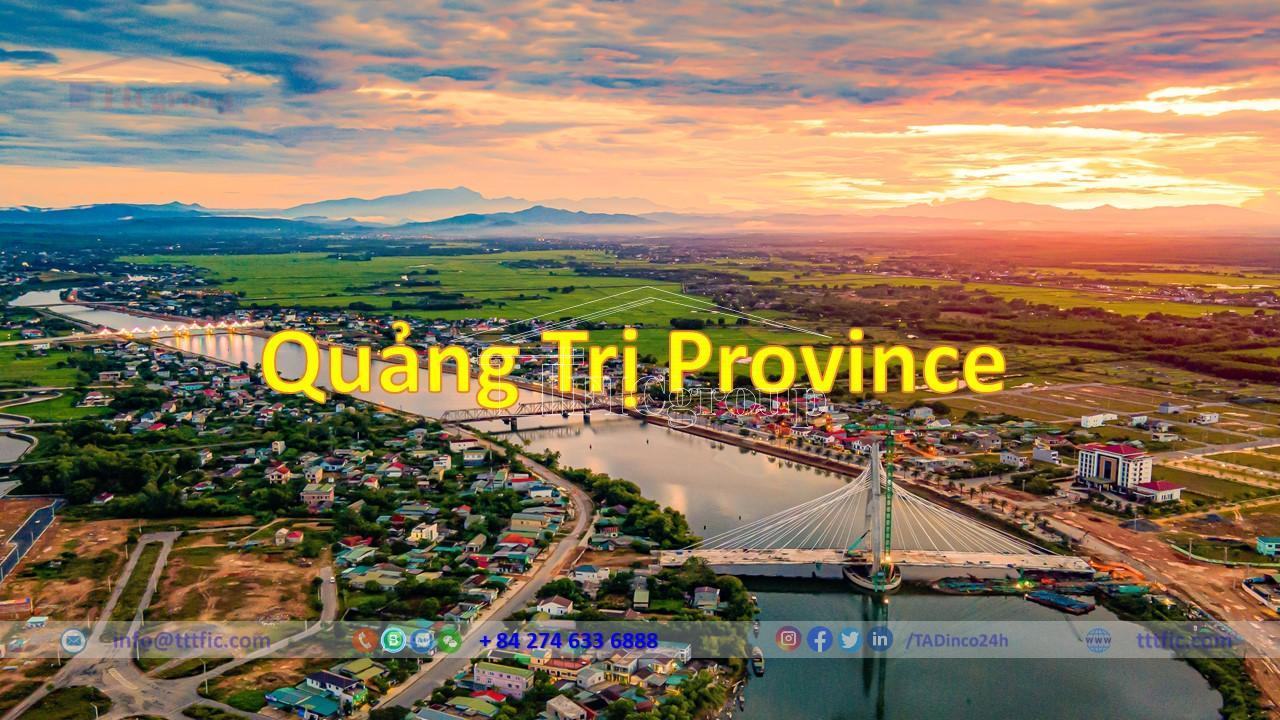
Quang Tri occupies an important central position on Vietnam’s elongated national geography.
Its investment significance derives from two intersecting systems.
The province is served by or connected to:
National Highway 1
North–South Expressway
North–South Railway
Ho Chi Minh Road
Vietnam’s coastal economic corridor
These connect Quang Tri with northern and southern manufacturing and consumer markets.
From the Lao border, transport corridors extend toward Vietnam’s coast through international border gates and national highways.
The East–West Economic Corridor, historically associated particularly with the Lao Bao–Route 9 axis, provides a route connecting Central Vietnam toward:
Laos
Thailand
and onward toward Myanmar.
The enlarged province also incorporates the Cha Lo International Border Gate corridor from former Quang Binh, creating a second major Laos-facing gateway.
The investment significance is therefore no longer simply “Quang Tri is located on the East–West Economic Corridor.”
The stronger 2026 proposition is:
The new Quang Tri economy entered its first post-merger period with positive growth momentum.
For 2025, the province estimated:
The economic structure was approximately:
Agriculture, forestry & fisheries: 18.1%
Industry & construction: 29.5%
Services: 48.6%
Product taxes less subsidies: 3.8%
GRDP per capita at current prices was estimated at approximately:
Total social investment was estimated at approximately:
while provincial budget revenue approached:
Industry and construction recorded particularly strong estimated growth of 10.8%, while services grew approximately 8.3%.
These figures are important because the enlarged province is no longer dependent on a single growth engine.
Its economy can potentially develop through several complementary pillars:
industrial production
energy
construction
logistics
tourism
border trade
agriculture
forestry
marine economy
and services.
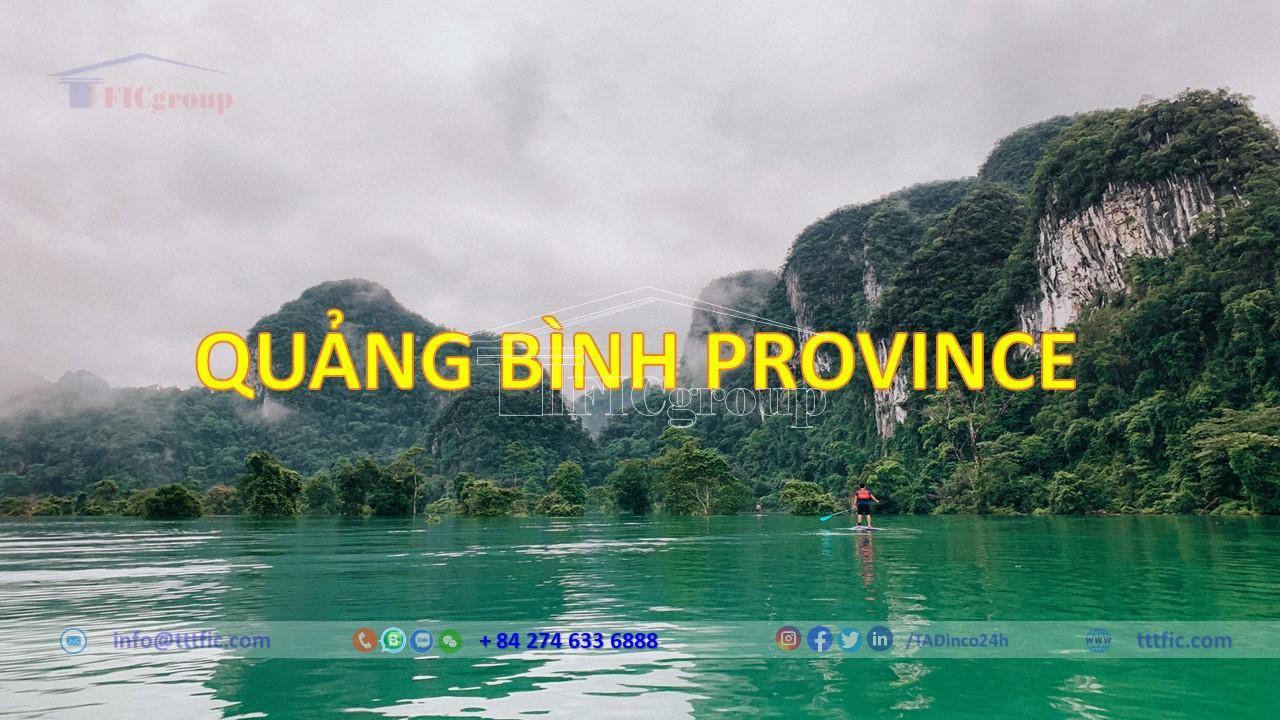
Quang Tri is not yet in the same FDI tier as Vietnam’s largest industrial centers.
But the province’s investment proposition has materially improved after consolidation.
Foreign investors can now evaluate within one jurisdiction a broader combination of:
industrial land
port infrastructure
energy supply
border access
North–South connectivity
renewable-energy resources
tourism destinations
and coastal development opportunities.
TTTFIC considers this especially relevant for investors in:
However, investment selection must remain site-specific.
A project dependent on Lao-border commerce has different site-selection logic from a port-dependent manufacturer.
A tourism investor targeting Phong Nha has a completely different investment thesis from a power-sector investor at Quang Trach.
The new Quang Tri should therefore be understood as a multi-corridor investment province, not as one homogeneous industrial market.
The post-merger province inherits industrial and economic-zone systems from both predecessor provinces.
Major investment platforms include:
Located in the northern coastal area of the province, Hon La provides an integrated framework involving port infrastructure, industry, energy and logistics.
The Hon La port-industrial area remains an important component of the province’s northern coastal economic strategy. The provincial Economic Zone Authority continues to advance planning for the Hon La Port Industrial Park and related infrastructure.
This major coastal economic zone in the former Quang Tri territory is strategically connected with:
My Thuy Port
energy development
industrial projects
coastal infrastructure
and the wider East–West corridor.
Lao Bao provides a distinctive border-oriented investment platform along the East–West Economic Corridor.
Its long-term value lies in:
trade
logistics
warehousing
commercial services
border-related processing
and regional distribution.
The enlarged province also incorporates industrial parks and industrial areas developed across the former two provinces, including established and developing locations around:
Dong Hoi
Hon La / Quang Trach
Dong Ha
Quan Ngang
Nam Dong Ha
and other industrial nodes.
TTTFIC applies strict status control:
Investors should therefore evaluate individual parks based on actual land availability, infrastructure completion, utility capacity, environmental acceptance, sector suitability and legal status rather than relying solely on headline park counts.
Energy is one of Quang Tri’s most strategically important investment sectors.
The enlarged province combines the former Quang Tri renewable-energy platform with the major power infrastructure of former Quang Binh.
This creates opportunities across:
onshore wind
solar
hydropower
thermal power
LNG-related infrastructure
grid development
energy services
and potentially energy-linked industrial production.
The northern part of the new province contains the major Quang Trach power-development complex.
This provides Quang Tri with an energy asset of national significance and strengthens the investment logic of the Hon La–Quang Trach industrial and port corridor.
The western mountainous area of former Quang Tri has become an important renewable-energy development zone, particularly for wind power.
Its proximity to Laos also creates longer-term strategic relevance for cross-border energy and transmission discussions.
TTTFIC’s energy-investment principle remains:
Each project must be assessed against national power planning, grid availability, land status, environmental requirements and commercial feasibility.
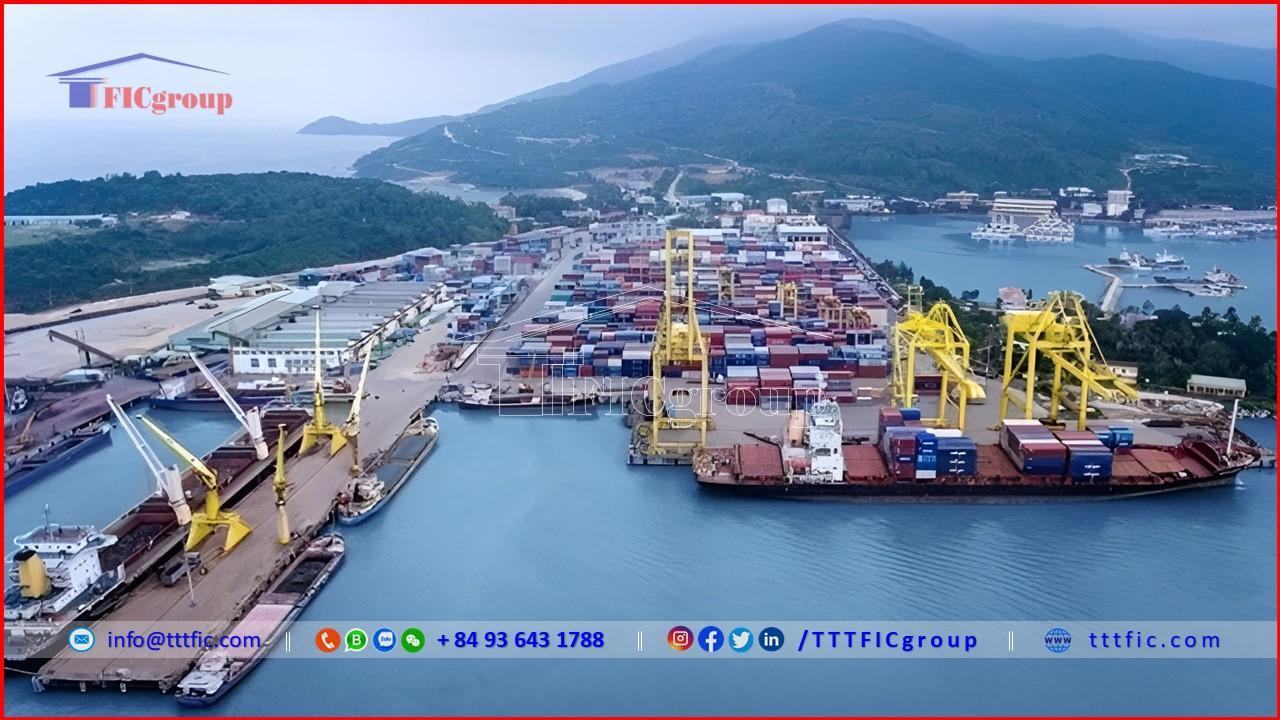
The merger has significantly strengthened Quang Tri’s maritime investment proposition.
The enlarged province now contains multiple coastal gateways rather than depending on a single port development.
Hon La supports the northern industrial, energy and logistics corridor and is closely associated with Quang Trach and the Hon La Economic Zone.
My Thuy is strategically positioned within the Southeast Quang Tri Economic Zone and can serve industrial, energy and logistics development associated with the southern portion of the province.
Cua Viet continues to serve regional maritime, fishing and commercial functions.
The broader Quang Tri port system is classified within Vietnam’s national seaport planning as a Class II seaport system.
The long-term opportunity is not simply port throughput.
It is the industrial ecosystem that can develop around:
This is one of the strongest post-merger investment synergies.
The new Quang Tri possesses an unusually strong western border position.
Lao Bao is the historic Vietnamese gateway of the East–West Economic Corridor, linking through Laos toward Thailand and Myanmar.
Inherited from former Quang Binh, Cha Lo adds another major international land gateway to Laos.
This gives the province a more diversified cross-border network.
Additional border connections reinforce the western corridor system.
For logistics investors, the relevant future model is:
and in the opposite direction:
This is where Quang Tri’s geography can become commercially meaningful rather than merely cartographically interesting.
Industrial development is only half of the new Quang Tri story.
The merger also brought one of Vietnam’s most valuable natural tourism brands into Quang Tri Province:
PHONG NHA–KE BANG
Phong Nha–Ke Bang National Park was recognized by UNESCO as a World Natural Heritage Site in 2003.
In 2025, UNESCO expanded the heritage framework through the transboundary relationship with Hin Nam No National Park in Laos, creating a particularly important cross-border conservation and tourism context.
Between 2020 and 2025, Phong Nha–Ke Bang received approximately:
including nearly:
The park currently has multiple operating tourism routes and continues to develop eco-tourism models.
Investment opportunities extend beyond cave visitation.
They include:
eco-resorts
high-end experiential hospitality
adventure tourism
wellness
nature interpretation
sustainable tourism infrastructure
destination food & beverage
transportation services
international tour operations
and community-based tourism.
The essential investment principle is conservation.
Phong Nha’s commercial value exists precisely because its natural environment remains extraordinary.
The southern part of Quang Tri provides a completely different tourism proposition.
Its historical landscape includes:
Quang Tri Ancient Citadel
Hien Luong Bridge – Ben Hai River
Vinh Moc Tunnels
Truong Son National Cemetery
Road 9 National Cemetery
Khe Sanh / Ta Con
the former Demilitarized Zone
and numerous associated historical sites.
Together, these locations form one of Southeast Asia’s most concentrated landscapes associated with the twentieth-century wars in Indochina.
TTTFIC believes the opportunity should evolve beyond conventional battlefield sightseeing.
The higher-value positioning is:
This can support:
international historical tours;
educational travel;
veteran and family travel;
research programs;
museums and interpretation;
cultural exchange;
peace-focused international events;
high-quality heritage hospitality.
The combination of Phong Nha natural heritage in the north and international historical heritage in the south creates a tourism portfolio almost impossible to replicate elsewhere.
The new province has nearly 200 km of coastline, substantially expanding its coastal-development potential.
Its coastal tourism portfolio includes beaches and marine environments extending across both former provinces.
The province also retains:
CON CO SPECIAL ZONE
Con Co provides a distinctive island component combining:
marine ecology
history
island tourism
national maritime significance
and potential specialized visitor experiences.
Coastal development should, however, be selective.
The strongest opportunity is not uncontrolled resort construction but integrated destinations connected with:
nature + culture + cuisine + heritage + marine experience.
Tourism has already become a significant component of the enlarged province’s service economy.
In 2025, Quang Tri received approximately:
an increase of approximately 16.9% year-on-year.
Tourism receipts were estimated at:
up approximately 31.7%.
This provides an important signal for hospitality investors.
Quang Tri is no longer dependent on one tourism product.
It can combine:
That diversity can support longer visitor stays and more sophisticated destination investment.
The enlarged province possesses significant agricultural, forestry and marine resources.
Investment opportunities include:
wood and forest-product processing
rubber
coffee
pepper
rice
cassava
specialty agriculture
livestock
aquaculture
seafood processing
and value-added food production.
The investment strategy should increasingly shift from primary production toward:
Forest cover was estimated at approximately 61.5% in 2025, highlighting the importance of sustainable forestry and environmental management.
Investors in forest-related industries must therefore integrate commercial development with sustainable resource management.
TTTFIC identifies several particularly strong opportunity clusters.
Manufacturing and processing linked to Hon La and My Thuy port systems.
Power generation, renewable energy, energy infrastructure and industries benefiting from major energy platforms.
Warehousing, trucking services, distribution centers, customs-related facilities and logistics supporting Lao Bao and Cha Lo.
Selective export and domestic manufacturing where individual industrial sites meet utility, labor and logistics requirements.
Wood products, agricultural processing, food production and regional value chains.
Premium accommodation, eco-tourism, adventure travel and sustainable destination services around Phong Nha–Ke Bang.
Higher-value development of the internationally significant Quang Tri–DMZ heritage network.
Port services, fisheries, seafood processing, coastal tourism and selected marine-related industries.
Facilities positioned at the intersection of North–South and East–West trade routes.
The most important change in Quang Tri is not that two provinces became one.
It is that previously separated economic assets can now be considered within a single investment geography.
Former Quang Binh brought:
World Heritage + Hon La + Quang Trach + Cha Lo
while former Quang Tri brought:
EWEC + Lao Bao + My Thuy + Southeast Economic Zone + Renewable Energy + Historical Heritage.
Together they create:
BORDER → CORRIDOR → INDUSTRY → ENERGY → PORT.
At the same time:
PHONG NHA → HERITAGE → COAST → HISTORY → EXPERIENCE ECONOMY.
That is the post-merger investment logic.
For a logistics investor, the question becomes whether cargo flows can connect western border gates efficiently to coastal ports.
For a manufacturer, the question becomes which industrial node offers the best balance of port access, power, labor, land and suppliers.
For an energy investor, grid connection and project planning become decisive.
For a hospitality investor, Phong Nha and the heritage corridor require completely different investment models.
TTTFIC therefore does not view Quang Tri as one investment market.
A serious international investment assessment must also recognize constraints.
Strategic geography does not automatically create logistics volume. Freight flows, port utilization and supporting services must be verified project by project.
Quang Tri’s supporting-industry ecosystem remains less developed than Vietnam’s largest manufacturing centers.
Several important infrastructure and industrial projects remain under development. Investors must distinguish operational assets from projects under construction or planning.
Central Vietnam is exposed to typhoons, heavy rainfall, flooding, heat and other climate-related risks.
World Heritage, forest, coastal and energy projects require particularly careful environmental assessment.
Large manufacturing projects should undertake detailed labor-market and skills analysis rather than relying solely on provincial population.
Border-oriented investments depend on actual freight volumes, bilateral procedures, customs efficiency and infrastructure on both sides of the border.
These factors do not weaken the investment thesis.
They define the conditions under which it becomes investable.
The consolidation created a province of approximately 12,700 km² and 1.87 million people.
Quang Tri sits simultaneously on Vietnam’s North–South economic spine and major east–west routes toward Laos.
Lao Bao and Cha Lo create differentiated access to the Lao market and mainland Southeast Asian corridors.
Hon La and My Thuy provide separate coastal industrial and logistics anchors.
Quang Tri combines renewable-energy resources with large-scale power infrastructure.
Phong Nha–Ke Bang gives the province a globally recognized natural heritage brand.
The DMZ, Quang Tri Citadel, Hien Luong–Ben Hai, Vinh Moc and Khe Sanh provide exceptional potential for history and peace tourism.
The enlarged province combines nearly 200 km of coastline with extensive forest resources.
Manufacturing, logistics, energy, tourism, agriculture, forestry and marine industries can coexist within one provincial investment platform.
TTTFIC Group supports international investors evaluating Quang Tri through a structured, risk-aware investment process.
Our services include:
Investment Location Strategy
Province, corridor and site comparison based on the investor’s operating requirements.
Industrial Land & Factory Search
Identification of industrial land, ready-built factories, warehouses and development sites.
Port & Logistics Location Analysis
Assessment of access to Hon La, My Thuy, border gates and major transport corridors.
Energy & Infrastructure Assessment
Evaluation of electricity, water, road, port and utility requirements.
FDI Establishment & Licensing Support
Support for IRC, ERC and related investment procedures.
Industrial Real Estate Advisory
Land, factory, warehouse and built-to-suit solutions.
Tourism & Hospitality Investment Advisory
Project and site evaluation for Phong Nha, coastal, heritage and destination investment.
Land & Project Due Diligence
Planning, land, infrastructure and transaction-status review.
Local Authority & Developer Coordination
Structured coordination with relevant investment stakeholders.
Transaction Structuring & Execution
Commercial, documentation and execution support throughout the transaction lifecycle.
Design & Build Coordination
Purpose-built industrial and commercial facility support.
Post-Investment Business Support
Assistance through establishment, implementation and operations.
Quang Tri’s 2025 administrative consolidation created something more strategically important than a larger province.
It connected complementary economic systems.
The west provides:
The center provides:
The coast provides:
The north provides:
The south provides:
Together, they create a new Central Vietnam investment proposition:
BORDER + CORRIDOR + ENERGY + INDUSTRY + PORT + WORLD HERITAGE.
The opportunity is not simply to develop each asset independently.
The greater opportunity is to connect them.
That is where TTTFIC sees the strategic value of the new Quang Tri.
TTTFIC GROUP
TTTFIC Group supports international manufacturers, industrial developers, logistics companies, energy investors, hospitality groups and institutional investors evaluating opportunities in Quang Tri Province and across Vietnam.
Our approach combines:
investment intelligence + location strategy + industrial real estate + FDI advisory + due diligence + transaction execution.
Explore Vietnam. Compare Locations. Invest with Intelligence.
34 Provinces & Cities. One Updated Investment Intelligence Platform.
Table of contents